



Where the money goes
You only see the loss after the fact
We built this platform inside a working road contractor — and closed every hole on this list using their own delivery notes, tank readings and certificates.
Fuel
Diesel never balances
Site tanks, refuelling at the yard, fuel offset against a haulier. Three notebooks — and thousands of litres more going out than came in.
Materials
Stone leaves without a record
The plant produced asphalt, the raw material was never written off, the sale went into a notebook. Stock on paper stops matching the yard.
Paperwork
The client sends the certificate back
The coefficient was worked out in a side file, the VAT rate was last year’s. Redoing it costs weeks before you get paid.
On site
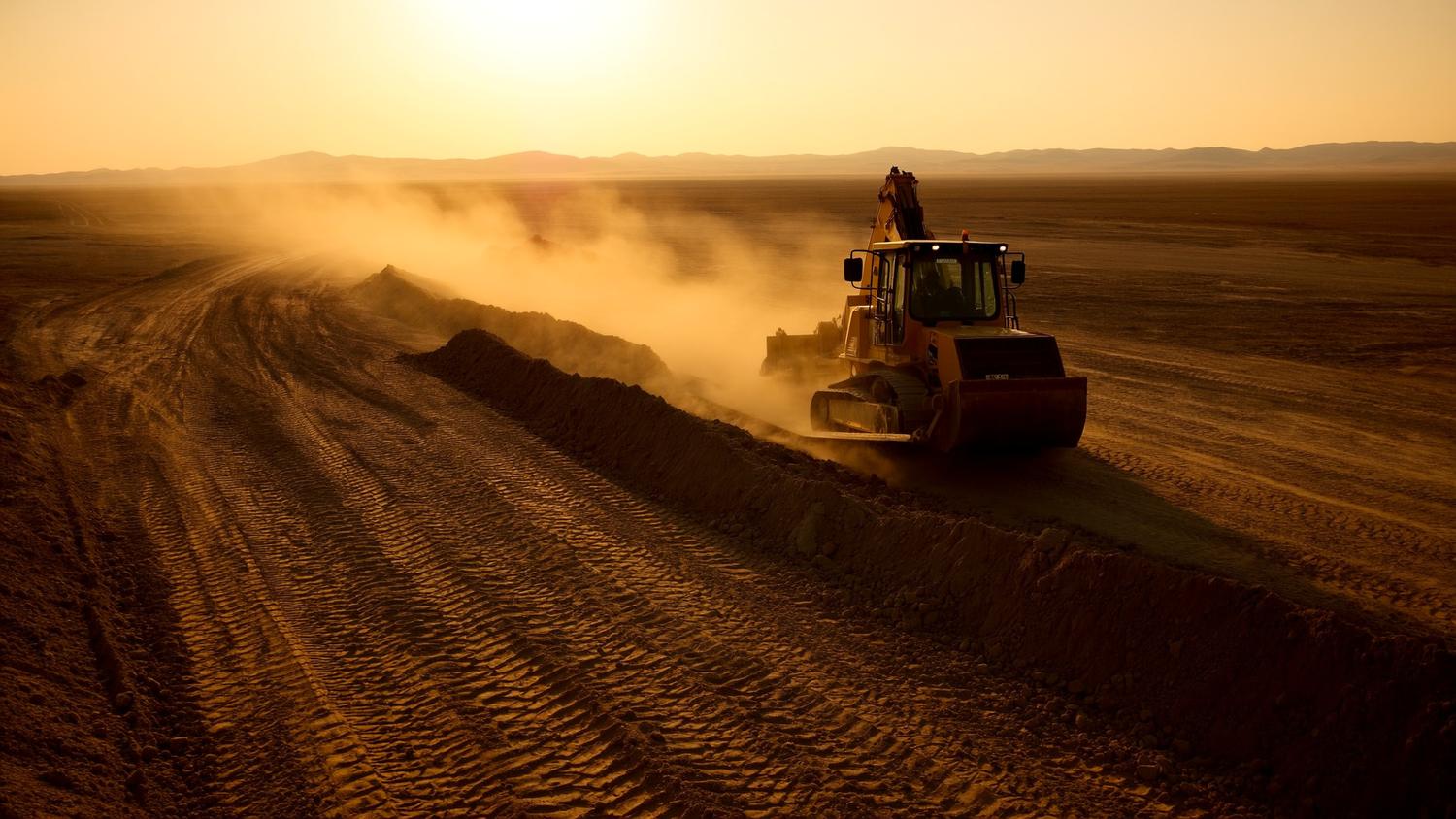
The shift is closed where it happened
The foreman logs volumes, trips and refuelling from the roadside: a trip takes three taps, a refuel two. By evening the office has figures instead of a phone call asking how much got done.
What you get
Three reasons contractors install it
01 · MONEY
You see what each site actually costs
Costs, debts to hauliers, fuel and material stock — in one place and as of today, not as a quarterly summary.

02 · PAPERWORK
Certificates come out finished
The work-done certificate is built from the estimate with your own coefficients, with the material report and cost summary beside it. The director signs from a phone and the company stamp lands by itself.
03 · DATA
The numbers arrive on their own
Foremen, supply managers and the plant manager report through Telegram: three taps for a trip, two for a refuel. Nobody has to fill in a spreadsheet.
Full list of modules
Work-done certificates and cost summaries · material consumption reports and volume logs · as-built documentation and standards · warehouse and goods receipt · asphalt plant and crusher output with mix recipes · diesel accounting · hauliers and trips · material sales · document control · director’s signature and stamp · costs and analytics · bank statements and trial balance · payroll structure · tenders
Fleet
Every machine is a line in the ledger
Trips, shifts, refuelling and output are tied to a specific machine. The convoy moves — and the numbers move with it.
 Tippertrips · tonne-kilometres
 Pavervolumes into the certificate
 Rollershift output
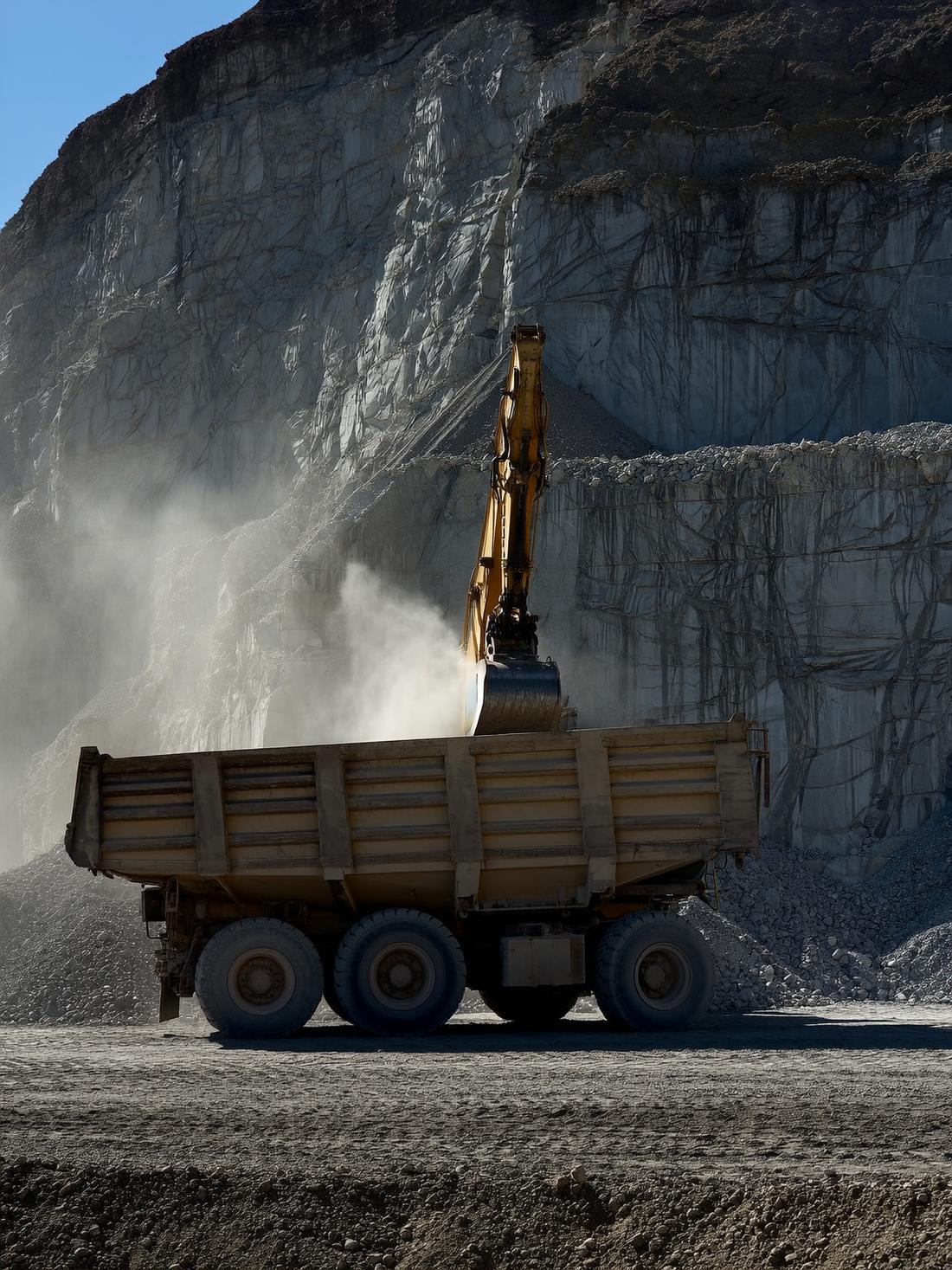
 Excavatorquarry and loading
 Fuel truckdiesel and refuelling
Proof
The system finds the gaps itself
Twelve checks run on your own data every day. Nothing is corrected silently — each gap is shown, and you close it with a reason on the record.
What it found at a real company
It uncovered 11,192 litres of double-counted diesel: the same fuel was written off twice — once when sent to site and again when issued from the tanks. Separately it surfaced stock that did not match asphalt output, and crushed stone sold without a record.
This is not a projected saving — it is what was actually found. Your numbers will be different, but the system will be the one looking for them, not an accountant at quarter end.
Pricing
Less than a part-time estimator
Sites, your own yard, machinery and hauliers
- Every module, from certificates to fuel and plant output
- Telegram bots for foremen, supply and the director
- Daily checks on documents and amounts
- Your own isolated instance with daily backups
- Support and updates included
One-off, before you go live
- We migrate estimates, contracts, stock balances and the certificate register
- We set the coefficients for every site
- We train the technical department, supply and the foremen
- The first month runs in parallel with your current records, so the figures can be reconciled
For one or two sites there is a lighter plan from ₸120,000 per month; for a group with several legal entities, from ₸590,000. Monthly or discounted annual billing, a contract with your company, invoices and closing documents.
FAQ
What people ask first
Does this replace our accounting software?
No. Your accounting system stays where it is; GLADSTROY covers the production side — volumes, materials, fuel, machinery and the documents your client receives. Data is exported to accounting, and bank statements are imported back for reconciliation.
What if the foremen refuse to enter anything?
That is exactly why data entry lives in Telegram: three taps for a trip, two for a refuel. If nothing comes in, the system shows which sites had no entries that day — and the director sees it before accounting does.
Where is our data stored?
On servers in Kazakhstan. Every company gets an isolated instance and daily backups. Access is by role: a foreman sees his own site, accounting sees the money, and only the director can apply the signature and stamp.

Demo
We will show it on your own numbers
A 40-minute call: we take one of your sites, load its estimate and build a certificate from it while you watch. You decide from there.